From the Hills to the City: Carrying the Legacy Forward
Every person carries a story shaped by the place they come from. Mine began in a remote village, surrounded by hills, farmland, and a close-knit community where life was deeply connected to the land. Looking back, I often find myself comparing my own journey with the journey of the country and communities that raised me.
A child born in a rural village grows up understanding the world through family, community, and the environment around them. The paths they walk, the schools they attend, the work they witness, and the challenges they face become part of their identity. As they grow older, they begin to understand that education alone does not prepare them for life. There is often a gap between what is taught in classrooms and the realities people encounter outside them. Many young people in Nepal find themselves navigating between these two worlds.
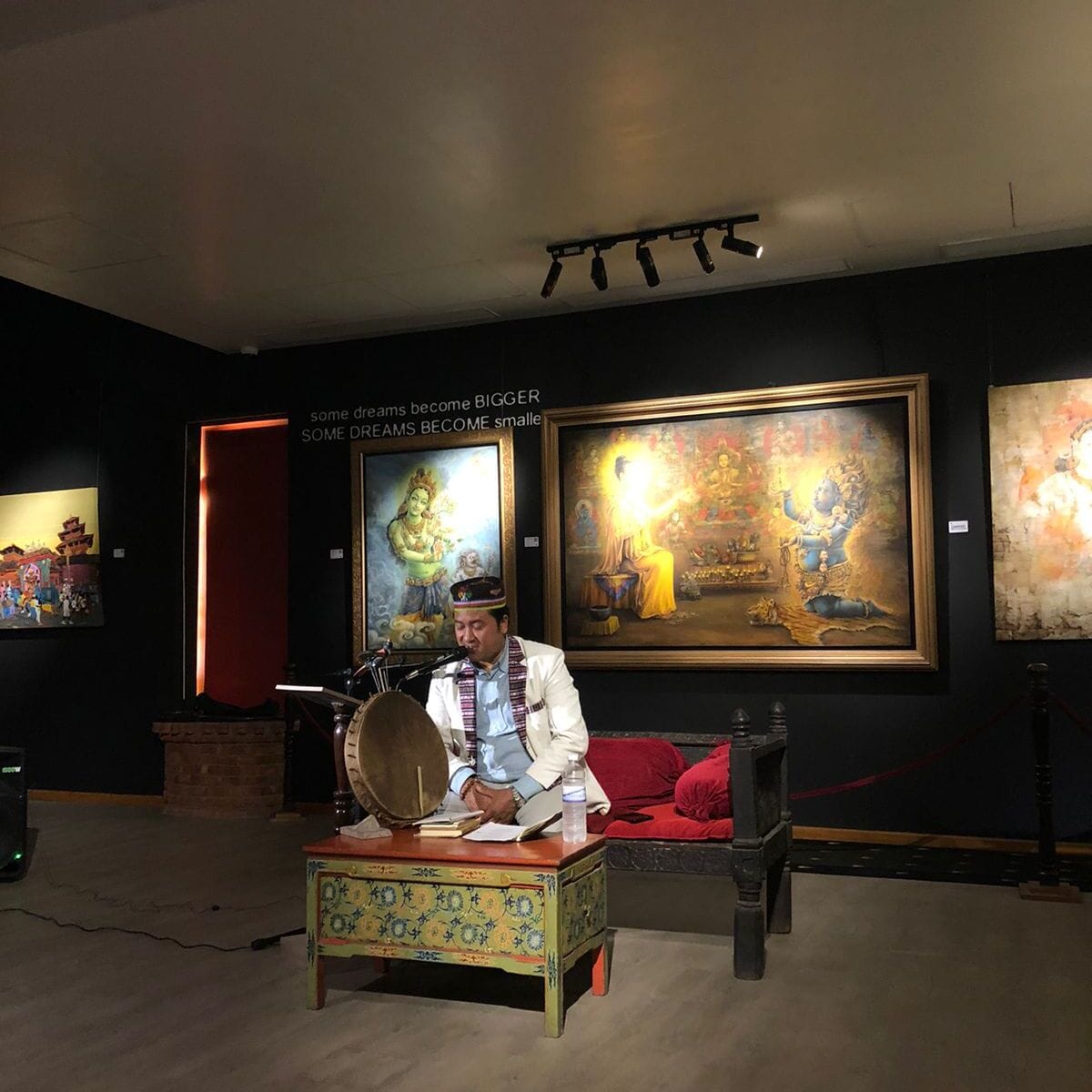
My childhood was rooted in farming and village life. Like many others, I grew up connected to the soil, to seasonal harvests, and to the rhythms of nature. But eventually, the desire for opportunity led me to Kathmandu. The transition was not easy.
Coming from a village where many necessities were available through community and self-sufficiency, the city felt overwhelming. Everything required money. The little savings we brought with us disappeared quickly. A group of eight to ten friends from our village had traveled together, carrying earnings from selling medicinal herbs and a few sacks of rice. We spent our first days exploring the city, hopeful that work would be easy to find. It was not.
When our money ran out, we traveled to Banepa in search of employment. For a week, we searched without success. Ironically, it was only after we stopped dressing neatly and began wearing worn-out clothes that employers started offering us work. For twenty-six days, we worked wherever work was available, from potato farms to construction sites. When the season ended, we returned home.
A few years later, I found myself back in Kathmandu. At the time, political ideologies and revolutionary movements were becoming increasingly influential in my village. Wanting to carve my own path, I returned to the city. Life there was still difficult, filled with uncertainty and constant adaptation, but each challenge taught me something about resilience, survival, and identity.
As I reflect on my own experiences, I am reminded of the stories that shaped the Tamang community long before my generation.
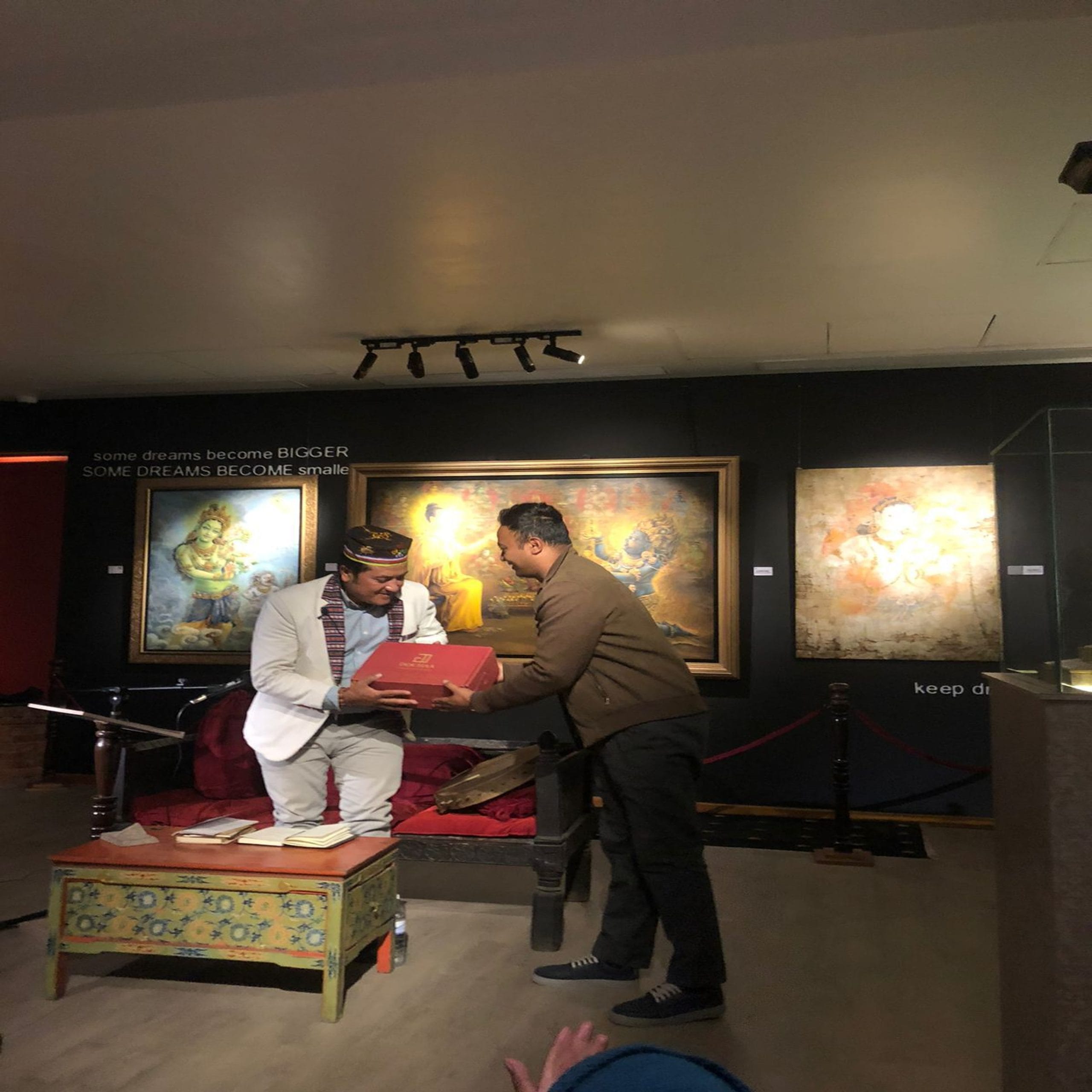
One of the most cherished stories is the legend of Peng Dorje, a mythical ancestor believed to have created the Damphu, the traditional drum that remains one of the strongest symbols of Tamang culture. According to oral tradition, Peng Dorje crafted the instrument to bring happiness to his wife. He used the hide of a ghoral, stretched it across a circular wooden frame, secured it with wooden pegs, and added a bamboo piece that created its distinctive rhythm. Topped with the image of a danfe, the Damphu became more than a musical instrument. It became a symbol of love, creativity, and cultural identity.
For generations, stories like these have been preserved through the songs and narratives of the Tamba and Bombo, the traditional knowledge keepers of the Tamang people. Their stories tell of a world before modern roads, hospitals, and technology. They tell of ancestors who survived by living closely with nature, gathering wild foods such as tarul, sisnu, gittha, kafal, and ainselu. They developed deep knowledge of medicinal plants and learned how to thrive in difficult environments.
Life was not easy. In places like Sindhuli, previous generations lived without access to healthcare or modern transportation. Essential goods such as salt had to be carried over long distances from Tibet through dangerous mountain routes. These journeys often took months. Many never returned. Those who did carried not only supplies but also stories of endurance and sacrifice that became part of the community’s collective memory.
Our ancestors built their lives with remarkable determination. They slept under open skies, cooked on stones, carried their belongings across rugged landscapes, and created tools, clothing, and homes with their own hands. Despite hardships, they laid the foundations of the culture and society we inherit today.
Standing in the twenty-first century, I feel immense respect for these generations. They were not merely survivors. They were creators, innovators, storytellers, and guardians of knowledge. They taught us how to live alongside nature while preserving the values, traditions, and stories that define who we are.
Yet as modernization and urbanization continue to reshape society, there is a risk of losing our connection to these roots. The stories of farmers, salt traders, artisans, weavers, and cultural pioneers deserve to be documented, shared, and celebrated. Their lives remind us where we come from and why our heritage matters.
My own journey, from a village child to navigating life in Kathmandu, is only one small part of that larger story. It is a story of movement, adaptation, and belonging. More importantly, it is a reminder that no matter how far we travel, our roots remain with us.
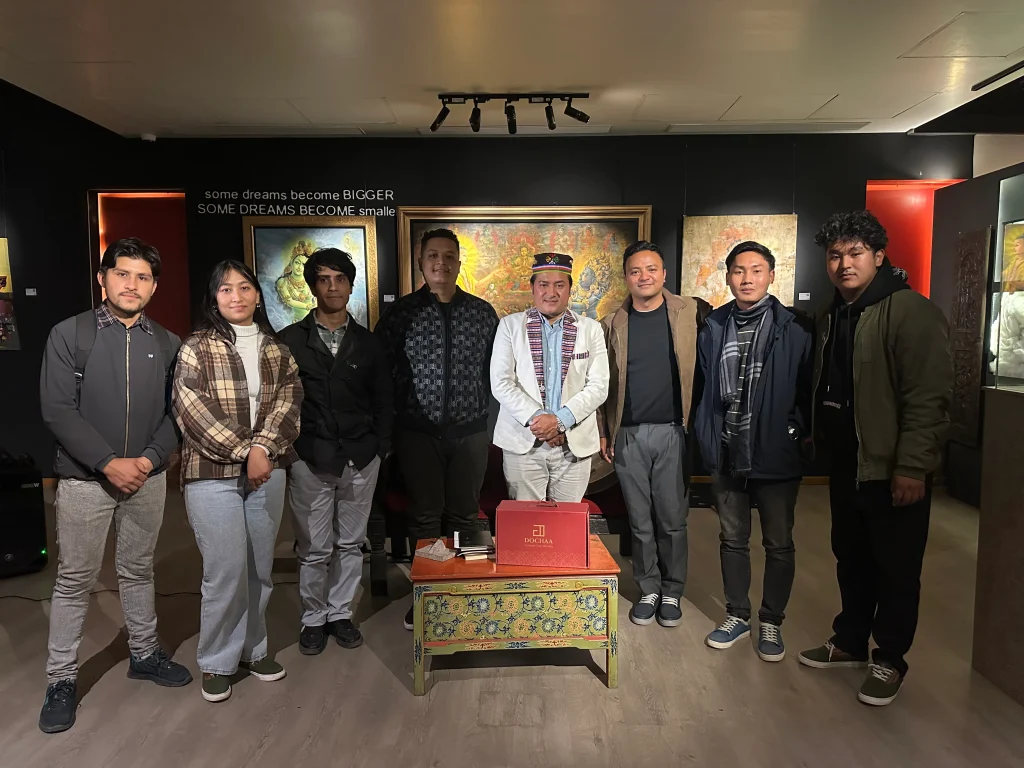
Today, being part of Dochaa feels like an extension of that journey. It is an opportunity to celebrate the stories of our communities, honor the people who came before us, and keep their legacy alive for future generations.